Free Consultation Available!
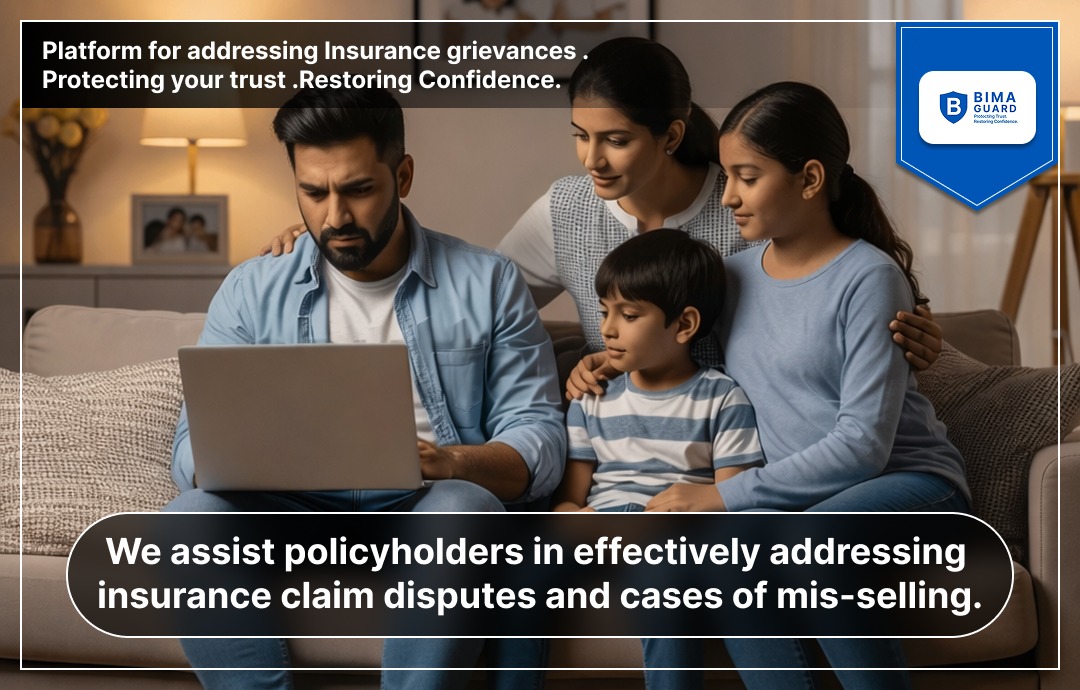


Misselling occurs when insurance or financial products are sold under misleading, inaccurate, or unethical circumstances — creating a false impression or inducing policyholders to make decisions based on incomplete or incorrect information.
At Bemacure Solutions Private Limited, we specialize exclusively in addressing issues related to insurance misselling. Our experienced team carefully examines the circumstances under which the policy was sold, identifies discrepancies, and gathers supporting evidence to establish instances of misrepresentation or unfair sales practices.
We then engage with the concerned insurance companies through appropriate channels to seek corrective action and ensure that the rights and interests of the policyholder are duly honored.
To restore transparency, protect consumer rights, and ensure that insurance remains a promise — not a deception.
Our goal is to create satisfied and secure policyholders by promoting ethical practices, preventing misselling, and resolving insurance-related grievances. We believe that informed customers are happy customers, and true insurance protection begins with awareness and trust.